Interventional Radiology (IR) Clinic in Hyderabad
Minimally invasive, image-guided procedures — embolisation, angioplasty, biopsies, ablation and liver and kidney interventions.
Neurology

Stroke/Carotid Stenosis
Carotid artery stenting, Mechanical Thrombectomy
Cerebral Aneurysms
Flow Divertors, Endovascular Coil/Onyx/Squid/Contour Embolisation
Meningioma, Paraganglioma
Pre-op Embolisation
AVM/AVF/CCF/Vein of Galen Malformations
Endovascular embolisation +/- Sclerotherapy
Facial Hemangioma
Embolisation +/- Sclerotherapy
IIH/Dural sinus stenosis
Manometry & Venous sinus stenting
Diagnostic angiograms
Four Vessel DSA, Carotid occlusion tests
Nephrology / Urology
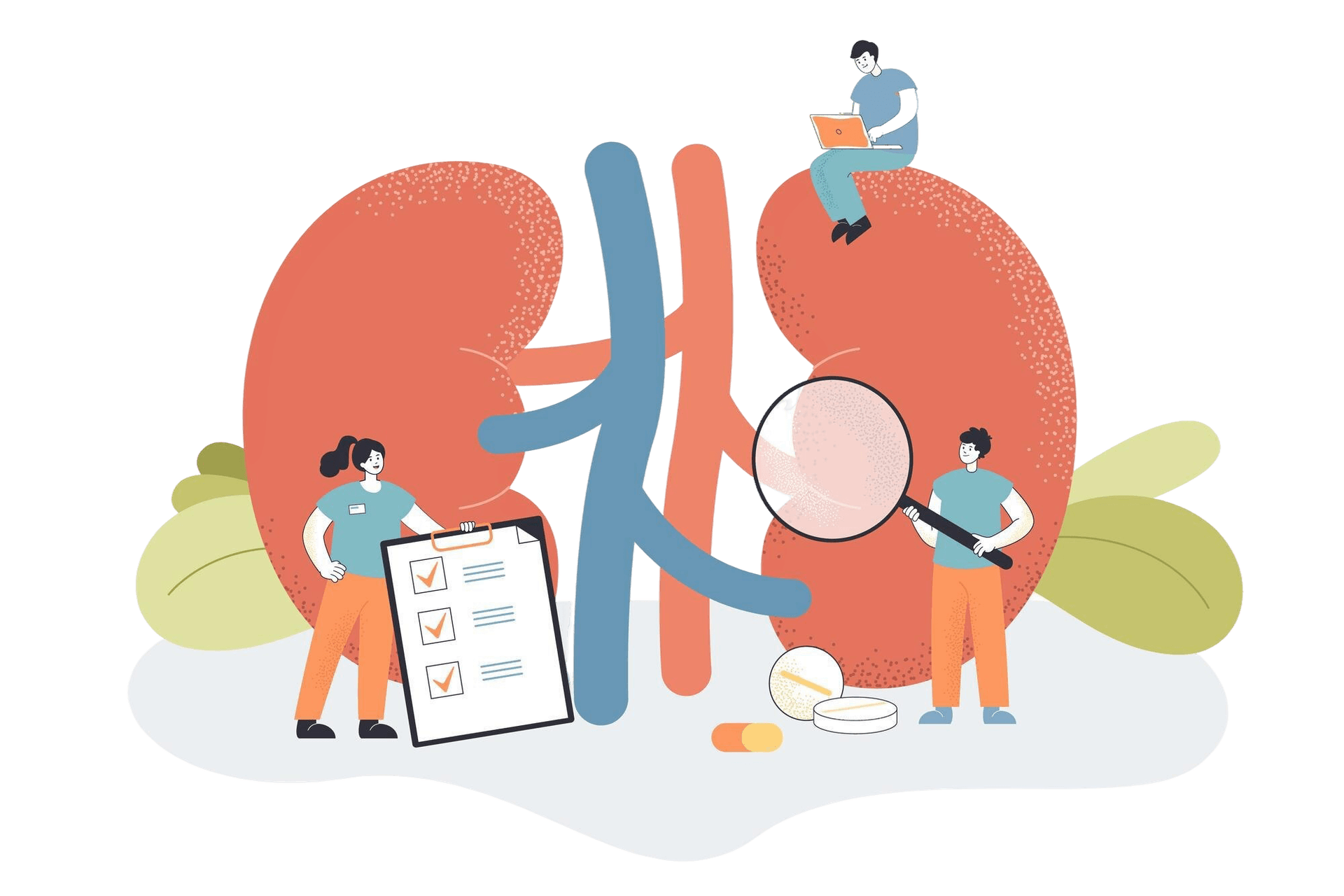
Renal artery Stenosis
Renal artery stenting
Renal tumors
Radiofrequency ablation, Microwave ablation, Pre-operative embolisation
Hydronephrosis
Percutaneous nephrostomy, Antegrade DJ Stenting
Hematuria
Super-Selective renal embolisation
Renal parenchymal disease
Renal Biopsy
Varicocele
Embolisation
BPH
Transrectal prostate biopsy (TRUS Biopsy), Prostate artery embolisation (PAE)
Infertility
Seminal vesicogram, Chromotubation
Gastroenterology
Primary Liver tumors
TACE, TARE, RFA, MWA, Pre-operative Portal vein embolisation
Liver metastases
TACE, RFA, MWA
Adenoma/Hemangioma
Bleomycin+Lipiodol Embolisation
GI Bleed
Abdominal angiography + Embolisation, BRTO, PRTO, CARTO
Portal Hypertension
Partial splenic embolisation, TIPS, DIPS
Budd-Chiari
IVC / Hepatic venous stenting
Mesenteric ischemia
SMA/Celiac Stenting
SMA Syndrome/Celiac stenosis
Angioplasty & Stenting
Biliary strictures/Jaundice
PTBD/Biliary stenting, Intrabiliary Radiofrequency ablation (RFA)
Cholecystitis
Cholecystostomy
Pancreatic and Abdominal collections
Pigtail drainage
Hypersplenism
Partial Splenic artery embolisation
Others
Large volume paracentesis (LVP), Omental biopsy
Orthopedics
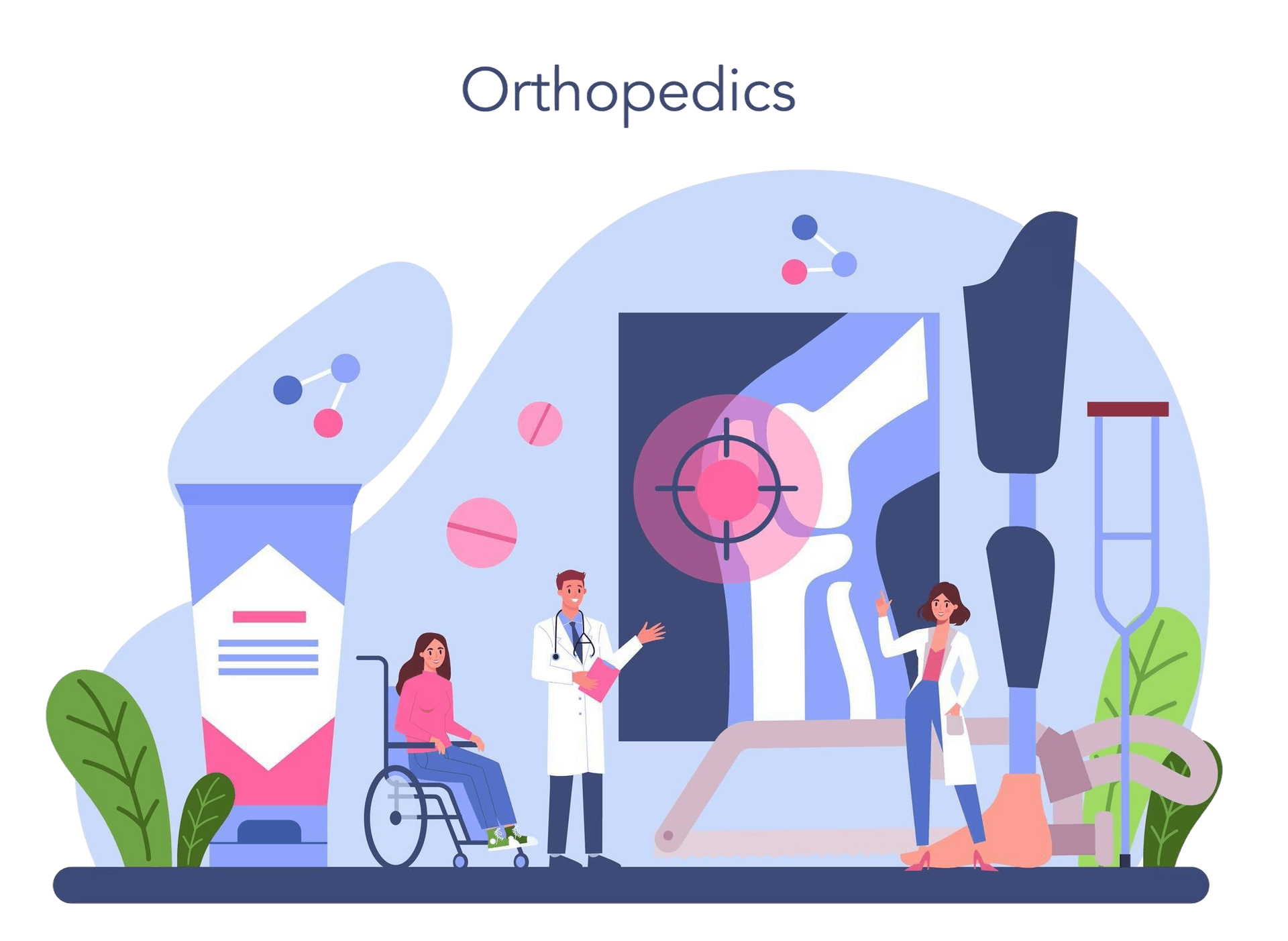
Spine/Bone lesions
CT Guided Spine/Bone biopsies
Osteoid Osteoma/Metastases
Radiofrequency ablation
Vertebral fractures
Vertebroplasty, Kyphoplasty
Vascular injury in trauma
Embolisation, Stent grafts
Disc bulge
Ozone therapy
Facet joint arthropathy
Facet joint injections
Carpal tunnel/Peripheral nerve entrapment
Perineural injections, Hydrodissection
Arthritis
Intra-articular injections
Spinal tumors/ABC
Pre-operative embolisation
DVT
IVC Filters, CDT, Mechanical thrombolysis, Single session pharmacomechanical thrombectomy
Oncology

Diagnostic
USG, TRUS, CT guided Biopsy/FNA
Primary Liver tumors
TACE, TARE, RFA, MWA, Pre-operative Portal vein embolisation
Liver metastases
TACE, RFA, MWA
Vascular tumors
Preoperative embolisation
Venous access
PICC Line, Power PICC, Permacath, Chemoports
Central venous stenosis
Venoplasty & Stenting
DVT
IVC Filters, CDT, Mechanical thrombolysis, Single session pharmacomechanical thrombectomy
Pain Management
Nerve blocks, Neurolysis, RFA
Obstetrics & Gynaecology

PPH, Fibroids, Adenomyosis
Uterine artery embolisation
Pelvic Congestion Syndrome
Ovarian vein embolisation
Blocked fallopian tubes
Fallopian tube recanulisation
Ovarian cysts
Cyst aspiration and irrigation
Uterine AVM
Uterine artery Embolisation
Infertility

Fibroids
Uterine fibroid embolisation
Blocked fallopian tubes
Fallopian tube recanulisation
Varicocele
Varicocele embolisation
Azoospermia
Seminal Chromotubation, Vesicogram
Premature Ejaculation/Erectile Dysfunction
P-Shot, Penile artery doppler, Dorsal venous embolisation
Paediatrics

Fibromuscular Dysplasia
Renal angioplasty
Vascular malformations
Sclerotherapy
Fluid collections
Drainage and catheterization
Retinoblastoma
Intra-arterial chemotherapy
Intussusception
USG Guided and Hydrostatic reduction
Other Interventions
All pediatric Biopsies/FNAC/Vascular interventions
Otolaryngology (E.N.T.)

Juvenile Nasal Angiofibroma
Pre operative embolisation
Epistaxis
Selective angiographic embolisation
Benign thyroid nodules
Radiofrequency ablation
Pulmonology
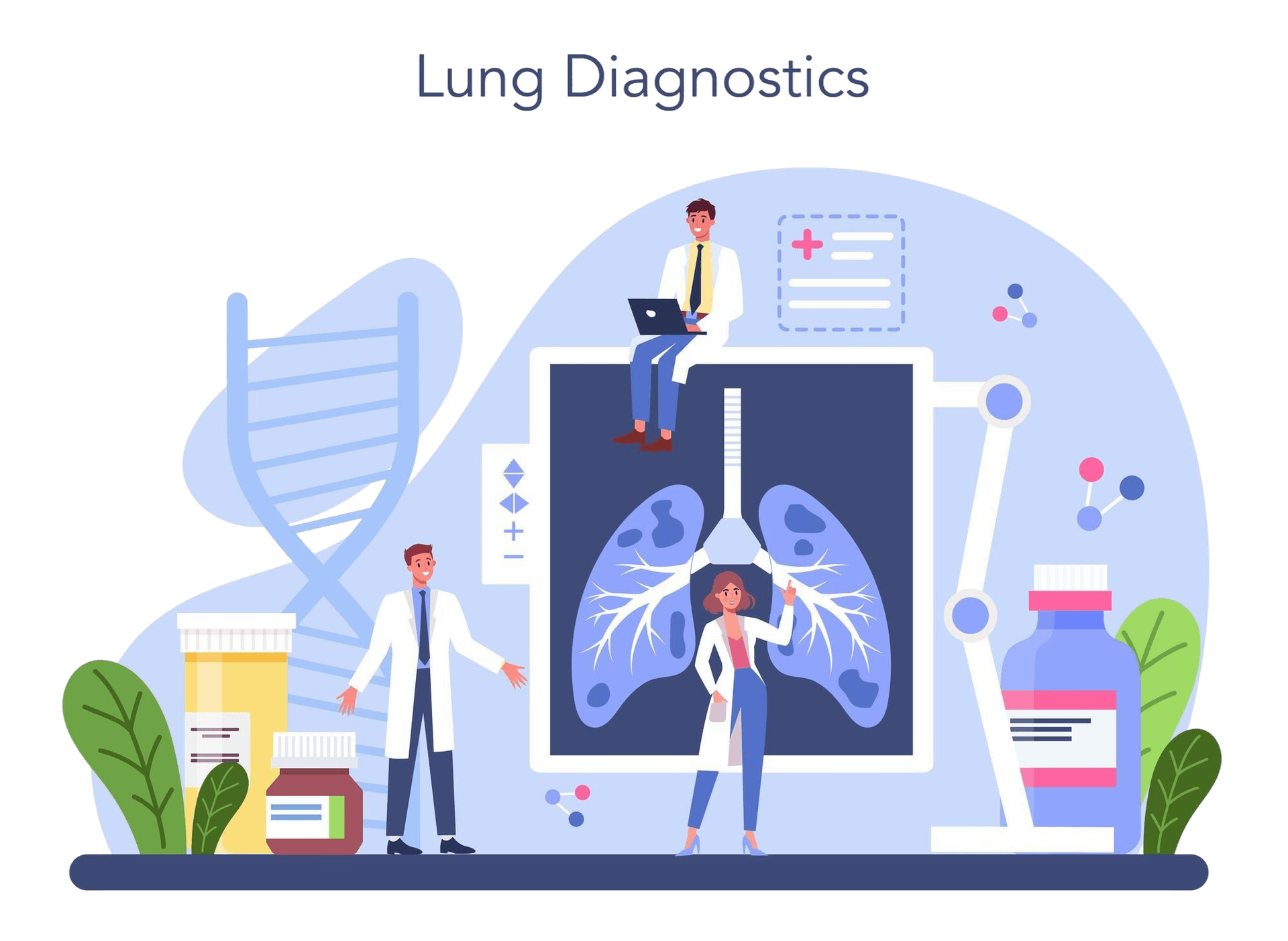
Lung tumors and nodules
FNAC/ Biopsy
Focal lung tumors
Radiofrequency ablation (RFA)
Hemomptysis
Bronchial artery embolisation, Rasmussens Aneurysm embolisation
Pulmonary thromboembolism
Catheter directed thrombolysis, Mechanical thrombectomy (Angiojet/Penumbra)
Pulmonary AVM
Embolisation with coils, Glue, Microvascular plugs
Endovascular Surgery
Varicose veins
Laser, Radiofrequency, Venaseal
Diabetic foot & PAD
CFA, SFA, Popliteal and below knee angioplasty
Aorto-iliac disease
Aortoiliac stent grafting
Aortic dissection
TEVAR, EVAR
Deep vein thrombosis
IVC Filter, Catheter directed thrombolysis, Single session Mechanical thrombectomy (Angiojet/Penumbra)
AV Fistula
Fistuloplasty, Graft repair
Thoracic outlet syndrome, Central venous stenosis
Venoplasty, Central venous stenting
May Thurner Syndrome
Iliac vein venoplasty, Thrombolysis
Focus Diagnostics IR Clinic in Hyderabad offers advanced interventional radiology treatments using minimally invasive, image-guided procedures. Interventional radiology allows doctors to diagnose and treat complex medical conditions without major surgery. Using imaging technologies such as CT scans, ultrasound, and angiography, interventional radiologists perform precise treatments for vascular disorders, tumors, stroke, kidney disease, liver conditions, and many other health problems. Focus Diagnostics provides expert IR specialists, modern imaging technology, and patient-centered care to ensure safe and effective treatment outcomes.
Interventional Radiology (IR) Clinic in Hyderabad – Focus Diagnostics
Interventional Radiology is a specialized medical field that uses imaging guidance to perform minimally invasive procedures for diagnosis and treatment. Instead of traditional open surgery, doctors use small catheters, needles, or tiny instruments inserted through small incisions to reach the affected area with high precision.
At the Focus Diagnostics IR Clinic in Hyderabad, patients benefit from modern interventional radiology techniques that provide faster recovery, reduced pain, and lower risk compared to conventional surgery. These procedures are commonly used to treat vascular conditions, tumors, neurological disorders, gastrointestinal problems, and musculoskeletal diseases.
Focus Diagnostics combines advanced imaging technology with experienced interventional radiologists to provide accurate diagnosis and minimally invasive treatments. The clinic supports patients from Hyderabad, Telangana, Andhra Pradesh, and nearby regions who require specialized radiology-guided treatments.
What is Interventional Radiology?
Interventional radiology is a subspecialty of radiology that focuses on treating medical conditions using image-guided procedures. Doctors use imaging tools such as CT scans, ultrasound, fluoroscopy, or digital subtraction angiography to guide instruments inside the body.
These procedures are performed through very small incisions, usually only a few millimeters in size. Because of this minimally invasive approach, patients often experience shorter hospital stays, quicker recovery, and fewer complications compared to traditional surgical treatments.
Interventional radiology plays an important role in modern medicine because it provides targeted treatment for many diseases affecting the brain, liver, kidneys, blood vessels, and other organs.
Advantages of Interventional Radiology Procedures
Minimally invasive radiology treatments offer many benefits to patients who require specialized medical care. These procedures reduce surgical trauma and allow faster healing.
Smaller Incisions
Most IR procedures require only a tiny skin puncture rather than a large surgical incision. This significantly reduces pain, scarring, and the risk of infection.
Faster Recovery Time
Patients undergoing interventional radiology treatments often return to normal activities much sooner than those who undergo conventional surgery.
Reduced Hospital Stay
Many IR procedures can be performed on a day-care basis, allowing patients to go home on the same day or within a short hospital stay.
High Precision Treatment
Imaging guidance allows doctors to target the exact area that requires treatment, improving accuracy and treatment outcomes.
Neurological Interventional Radiology Treatments
Interventional radiology plays a crucial role in treating neurological conditions affecting the brain and blood vessels. Advanced imaging helps doctors perform life-saving procedures with precision.
Stroke Treatment (Mechanical Thrombectomy)
Mechanical thrombectomy is an advanced procedure used to remove blood clots in the brain during acute stroke. Early treatment can significantly reduce brain damage and improve recovery outcomes.
Cerebral Aneurysm Treatment
Cerebral aneurysms are weak areas in brain arteries that may rupture and cause bleeding. Interventional radiologists treat these aneurysms using endovascular coiling or flow diverters to prevent rupture.
AVM and Vascular Malformation Treatment
Arteriovenous malformations (AVMs) and other vascular abnormalities in the brain can be treated using embolization techniques that block abnormal blood vessels and prevent complications.
Liver and Gastrointestinal Interventional Treatments
Interventional radiology procedures are widely used to treat liver tumors, gastrointestinal bleeding, and portal hypertension. These treatments provide targeted therapy without major surgery.
Liver Tumor Treatment
Procedures such as TACE (Transarterial Chemoembolization), TARE (Transarterial Radioembolization), radiofrequency ablation (RFA), and microwave ablation are used to treat liver cancers and metastatic tumors.
Treatment for Gastrointestinal Bleeding
IR specialists can identify and stop internal bleeding in the digestive tract through angiography and embolization procedures.
Biliary Drainage and Stenting
When bile ducts are blocked due to tumors or strictures, interventional radiologists perform procedures like PTBD and biliary stenting to restore normal bile flow.
Kidney and Urology Interventions
Interventional radiology also plays an important role in treating kidney diseases and urinary system disorders through minimally invasive procedures.
Renal Artery Stenting
Narrowed kidney arteries can cause high blood pressure and kidney damage. Renal artery stenting restores blood flow and improves kidney function.
Kidney Tumor Ablation
Small kidney tumors can be treated using radiofrequency or microwave ablation techniques that destroy tumor cells without surgical removal.
Percutaneous Nephrostomy
This procedure helps drain urine from the kidney when the urinary tract is blocked, preventing kidney damage and infection.
Vascular Interventional Radiology Treatments
Interventional radiology provides effective treatment for many vascular diseases affecting arteries and veins.
Varicose Vein Treatment
Laser or radiofrequency ablation techniques are used to close damaged veins and improve blood circulation in patients with varicose veins.
Deep Vein Thrombosis Treatment
Blood clots in deep veins can be treated using catheter-directed thrombolysis or mechanical thrombectomy procedures.
Peripheral Artery Disease Treatment
Angioplasty and stenting procedures restore blood flow in blocked arteries, helping patients with peripheral artery disease avoid major surgery.
Musculoskeletal Interventional Radiology
Interventional radiology procedures are also used to diagnose and treat bone and spine conditions.
Vertebroplasty and Kyphoplasty
These procedures stabilize fractured vertebrae in the spine and reduce pain caused by osteoporosis or trauma.
Image-Guided Bone Biopsy
CT-guided biopsies allow doctors to diagnose bone tumors, infections, or other abnormalities with high precision.
Pain Management Procedures
Interventional radiologists perform targeted nerve blocks and injections to treat chronic pain conditions affecting the spine and joints.
Oncology Interventional Radiology
Interventional oncology focuses on treating cancers using image-guided procedures. These treatments help shrink tumors, control symptoms, and improve patient outcomes.
Tumor Ablation
Radiofrequency ablation and microwave ablation destroy cancer cells using heat energy while preserving surrounding healthy tissue.
Image-Guided Biopsies
Interventional radiologists perform precise biopsies using CT or ultrasound guidance to diagnose tumors in different organs.
Chemoport and Venous Access Placement
Specialized venous access devices such as chemoports and PICC lines are placed to deliver chemotherapy safely and effectively.
Gynecology and Fertility Interventions
Interventional radiology also provides minimally invasive treatment options for several gynecological conditions.
Uterine Fibroid Embolization
This procedure blocks the blood supply to fibroids, causing them to shrink and reducing symptoms such as heavy menstrual bleeding.
Treatment for Pelvic Congestion Syndrome
Ovarian vein embolization helps relieve chronic pelvic pain caused by enlarged pelvic veins.
Fallopian Tube Recanalization
Blocked fallopian tubes can be opened using image-guided procedures that improve fertility chances.
Why Choose Focus Diagnostics IR Clinic?
Focus Diagnostics IR Clinic in Hyderabad provides expert interventional radiology services supported by advanced imaging systems and experienced medical professionals.
The clinic emphasizes accurate diagnosis, minimally invasive treatment techniques, and personalized patient care. With modern equipment and specialized radiologists, Focus Diagnostics ensures safe and effective treatment outcomes.
Patients benefit from comprehensive evaluation, advanced imaging technology, and specialized procedures performed in a comfortable clinical environment.
Book Interventional Radiology Consultation in Hyderabad
If you require minimally invasive treatment for vascular conditions, tumors, neurological disorders, or chronic pain, the IR Clinic at Focus Diagnostics provides expert care and advanced medical technology.
Consult experienced interventional radiologists at Focus Diagnostics to receive accurate diagnosis and personalized treatment options designed to improve your health and recovery.
- Advanced minimally invasive procedures
- Expert interventional radiologists
- Modern imaging technology and angiography
- Precise diagnosis and targeted treatment
- Faster recovery and reduced hospital stay
- Safe and patient-focused care
- Comprehensive IR procedures under one roof
- Trusted diagnostic center in Hyderabad
Interventional Radiology (IR) Clinic FAQs
What is an Interventional Radiology (IR) Clinic?
Which conditions are treated at an IR Clinic in Hyderabad?
What are the benefits of IR procedures compared to surgery?
What imaging is used during interventional radiology procedures?
Are interventional radiology procedures safe?
How should I prepare for an IR procedure?
Do IR treatments require hospital admission?
Is interventional radiology treatment painful?
How long is recovery after an interventional radiology procedure?
How can I book an appointment for IR Clinic at Focus Diagnostics in Hyderabad?
Popular IR Procedures
Book Your lab tests instantly
Accurate reports and home sample collection across Hyderabad