Stress and Its Impact on Health: Warning Signs You Shouldn’t Ignore
By Focus Diagnostics
30 May 2026
3 min read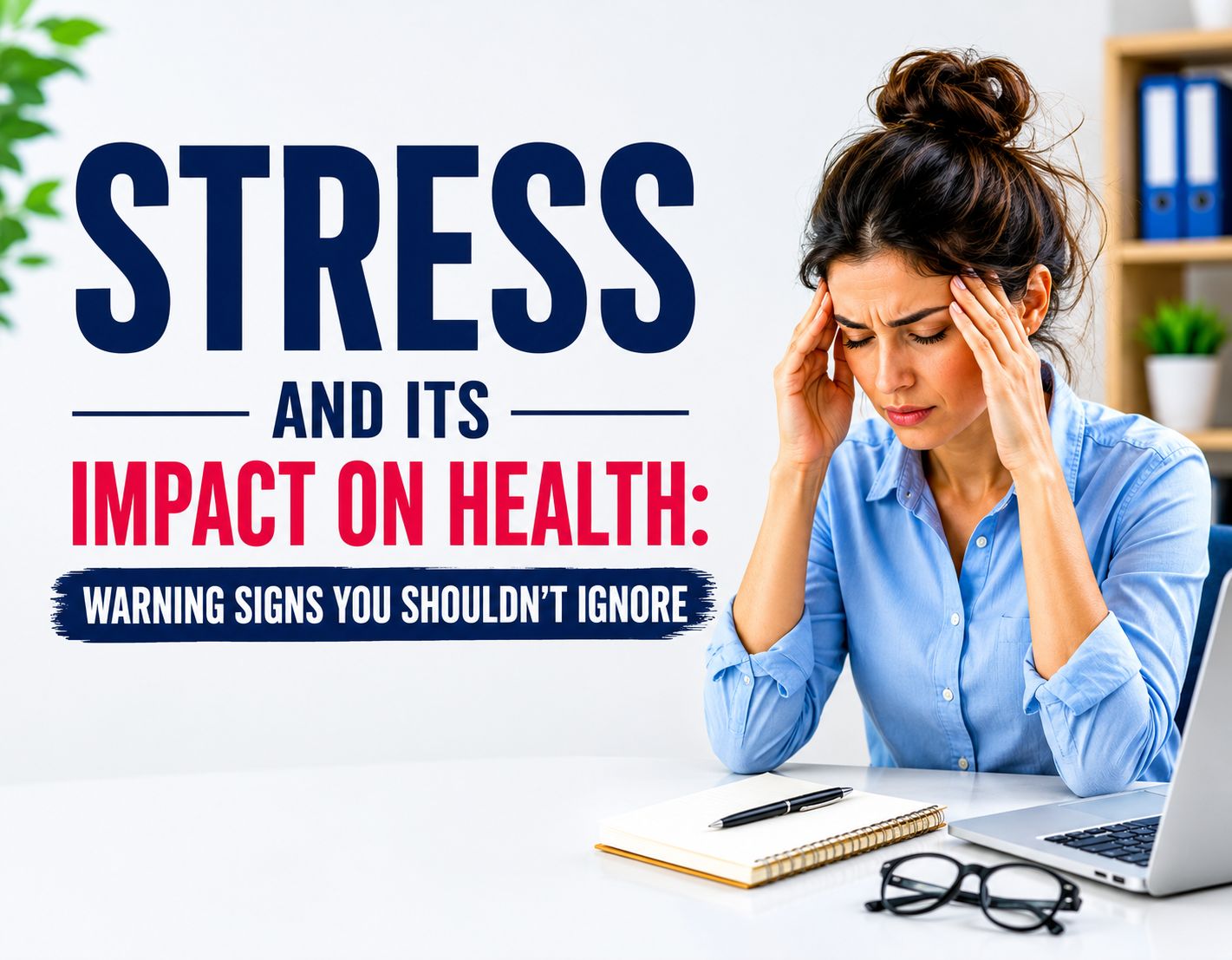
Stress and Its Impact on Health: More Serious Than You Think
Stress has become a part of everyday life.
Deadlines, financial pressure, lack of sleep, family responsibilities, screen overload—modern life keeps the mind constantly active.
Most people say:
“It’s just stress.”
But what many don’t realize is:
Chronic stress affects not only your mind—but your entire body
Over time, unmanaged stress can silently damage your:
- Heart
- Hormones
- Sleep
- Immunity
- Overall health
What Happens to Your Body During Stress?
When you feel stressed, your body releases hormones like:
- Cortisol
- Adrenaline
These hormones are helpful during short-term challenges.
But when stress becomes constant:
The body remains in a “high alert mode”
This begins affecting multiple organs and systems.
Common Signs of Stress Most People Ignore
Stress doesn’t always look emotional.
Sometimes it appears physically.
Mental Symptoms
- Overthinking
- Irritability
- Anxiety
- Lack of focus
Sleep Problems
- Difficulty sleeping
- Poor sleep quality
- Feeling tired even after sleep
Physical Symptoms
- Headaches
- Fast heartbeat
- Muscle tension
- Fatigue
Lifestyle Changes
- Emotional eating
- Loss of appetite
- Lack of motivation
Many people treat symptoms separately without realizing stress is the root cause.
Long-Term Impact of Chronic Stress on Health
1. Heart Health Problems
Stress can increase:
- Blood pressure
- Heart rate
- Risk of heart disease
Chronic stress puts constant pressure on the cardiovascular system.
2. Increased Diabetes Risk
Stress hormones affect blood sugar levels.
Long-term stress may contribute to:
- Insulin resistance
- Diabetes risk
3. Mental Health Issues
Continuous stress may lead to:
- Anxiety disorders
- Depression
- Emotional burnout
4. Sleep Disorders
Stress disrupts natural sleep cycles.
Poor sleep further worsens stress—creating a cycle.
5. Weak Immunity
Stress can reduce immune response.
Making the body more vulnerable to:
- Frequent infections
- Fatigue
- Slow recovery
Can Stress Affect Medical Test Results?
Yes.
Stress may impact:
- Blood pressure
- Blood sugar
- Hormone levels
That’s why preventive health checkups are important for people under chronic stress.
Who is Most at Risk?
Stress-related health issues are common among:
- Working professionals
- Business owners
- Students
- Caregivers
- People with poor sleep routines
Urban lifestyles are increasing stress-related disorders rapidly.
Warning Signs You Should Never Ignore
Seek medical evaluation if stress is causing:
- Chest discomfort
- Frequent headaches
- Severe fatigue
- Panic attacks
- High BP or sugar fluctuations
These may indicate deeper health effects.
Healthy Ways to Reduce Stress Naturally
Regular Exercise
Even 30 minutes of walking helps reduce stress hormones.
Better Sleep
Aim for:
- 7–8 hours daily
- Reduced screen time before bed
Mind Relaxation
Try:
- Meditation
- Deep breathing
- Yoga
Healthy Food Habits
Avoid:
- Excess caffeine
- Junk food
- Irregular meals
Regular Health Checkups
Stress can silently affect your body.
Monitoring helps detect early changes.
Convenient Preventive Testing at Home
Focus Diagnostics offers:
- Home sample collection for preventive health tests
- Safe and hygienic process
- Accurate and quick reports
Focus Diagnostics – Preventive Health Screening in Hyderabad
Available at:
- Kompally
- KPHB
- Punjagutta
- Khajaguda
- Chintal
Supporting your physical health in stressful lifestyles
Key Takeaways
- Stress affects both mental and physical health
- Long-term stress increases risk of heart disease, diabetes, and sleep issues
- Symptoms are often ignored until complications appear
- Healthy lifestyle + regular checkups help prevent damage
Taking stress seriously is part of taking care of your health
Conclusion
Stress may start in the mind, but its effects reach the entire body. Ignoring chronic stress can slowly affect your health in ways you may not notice immediately.
Take care of your stress before your body starts reacting to it
Because good health is not just physical—it’s mental too.
Frequently Asked Questions (FAQs)
1. Can stress really affect physical health?
Yes. Chronic stress can impact the heart, hormones, immunity, and sleep.
2. What are the first signs of stress-related health problems?
Fatigue, headaches, poor sleep, and irritability are common early signs.
3. Can stress increase blood pressure?
Yes. Stress can temporarily and chronically raise blood pressure.
4. Should stressed individuals do regular health checkups?
Yes. Preventive testing helps detect stress-related health changes early.
5. Can stress cause chest pain?
Yes. Stress and anxiety can sometimes cause chest discomfort, but medical evaluation is important.