What Does FDG PET CT Mean? Understanding FDG PET Imaging
By Focus Diagnostics
8 October 2026
13 min readWhat Does FDG PET CT Mean? Understanding FDG PET Imaging
An FDG PET CT scan is an advanced nuclear medicine imaging test that helps doctors evaluate metabolic activity in tissues and organs. It combines Positron Emission Tomography (PET) with Computed Tomography (CT) to provide both functional and anatomical information.
FDG stands for Fluorodeoxyglucose, a glucose-like radioactive tracer commonly used in PET imaging. Because many tissues use glucose for energy, FDG can help highlight areas where glucose metabolism is increased or altered.
FDG PET CT is widely used in oncology imaging, particularly for evaluating certain cancers, assessing disease extent, monitoring treatment response and investigating suspected recurrence. It may also be used in selected neurological and other medical conditions depending on the clinical requirement.
For patients looking for an FDG PET CT scan in Hyderabad, understanding what FDG means, how the scan works, why it is performed and how to prepare can make the procedure easier to understand.
What Does FDG Mean in PET CT?
FDG stands for Fluorodeoxyglucose.
It is a glucose-like compound labelled with a small amount of a radioactive substance. After FDG is administered, it travels through the bloodstream and is taken up by cells.
The PET scanner detects the distribution of the tracer in the body and creates images showing areas of increased or decreased tracer uptake.
Since glucose metabolism varies between different tissues and medical conditions, FDG PET imaging can provide information about metabolic activity that may not be visible from anatomical imaging alone.
What Is an FDG PET CT Scan?
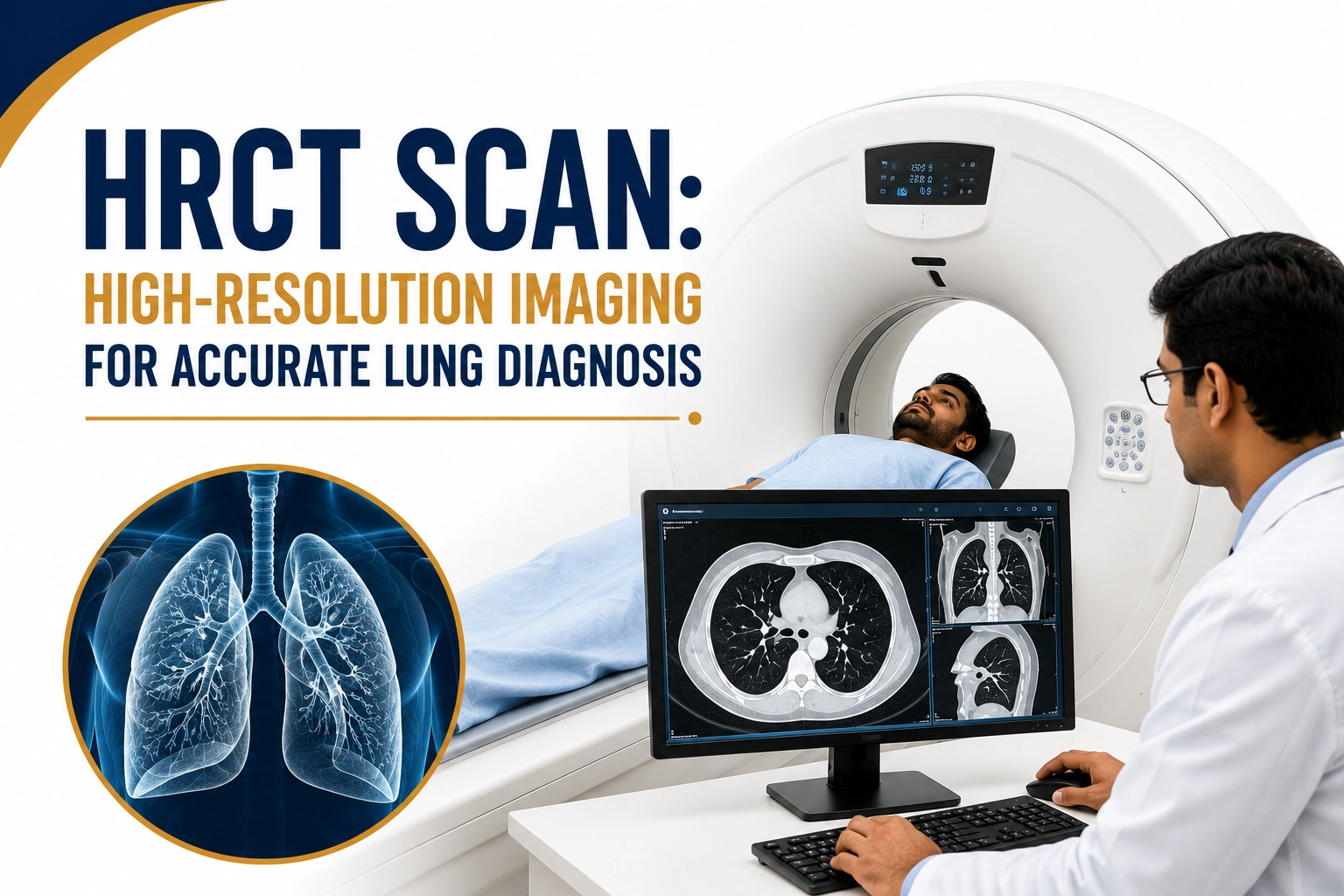
An FDG PET CT scan combines two imaging techniques:
PET – Positron Emission Tomography
PET provides information about the distribution of FDG and metabolic activity within the body.
CT – Computed Tomography
CT provides detailed anatomical information about the body's internal structures.
When the two images are combined, doctors can determine both where an abnormality is located and how it is behaving metabolically.
This makes FDG PET CT particularly useful when doctors need more information than a conventional anatomical scan can provide.
How Does FDG PET Imaging Work?
FDG PET imaging is based on the way cells use glucose.
After FDG is administered, it circulates through the bloodstream and is taken up by cells. The radioactive component of FDG allows the PET scanner to detect its distribution.
Some tissues naturally show FDG uptake because they normally use glucose. Other areas may demonstrate increased uptake because of changes in metabolic activity.
The PET images are interpreted together with CT findings and the patient's clinical information.
Importantly, increased FDG uptake does not automatically mean cancer. Inflammation, infection and some normal physiological processes can also show increased uptake.
Therefore, PET CT findings need to be interpreted by qualified specialists in the context of the patient's medical history and other investigations.
Why Is FDG PET CT Commonly Used?
FDG PET CT is commonly associated with cancer evaluation because many cancers can demonstrate increased glucose metabolism.
Depending on the cancer type and clinical situation, FDG PET CT may help with:
- Evaluation of suspected malignancy
- Assessment of known cancer
- Cancer staging
- Evaluation of lymph nodes
- Assessment for distant disease
- Treatment response assessment
- Investigation of suspected recurrence
- Follow-up imaging in selected cases
The exact role of FDG PET CT varies depending on the type of cancer and the patient's clinical condition.
FDG PET CT for Cancer
One of the most important applications of FDG PET CT is oncology.
Cancer cells may have altered metabolic activity and, in many situations, increased glucose utilisation. FDG PET imaging can therefore help identify areas with increased tracer uptake.
Cancer Evaluation
When a doctor suspects a malignancy or needs additional information about an existing diagnosis, FDG PET CT may be recommended.
It can help identify metabolically active areas that require further clinical evaluation.
PET CT findings are not interpreted in isolation. Depending on the situation, biopsy, pathology, MRI, CT, blood tests or other investigations may also be required.
Cancer Staging
Once cancer is diagnosed, determining the extent of disease is an important part of treatment planning.
FDG PET CT may help evaluate:
- The primary tumour
- Nearby lymph nodes
- Possible distant involvement
- Other areas of abnormal metabolic activity
This information may help the treating team understand the overall extent of disease.
Monitoring Treatment Response
FDG PET CT may be used in selected cancers to assess how the disease responds to treatment.
Changes in FDG uptake over time can provide metabolic information that may complement anatomical measurements.
The significance of these changes depends on the cancer type, treatment and timing of the scan.
Detecting Suspected Recurrence
After treatment, a doctor may recommend FDG PET CT if there is concern that cancer may have returned.
The scan can help identify areas of abnormal metabolic activity that may require further evaluation.
What Is the Difference Between FDG PET and PET CT?
FDG PET refers to PET imaging performed using fluorodeoxyglucose as the tracer.
PET CT combines PET imaging with CT imaging.
The PET component provides information about metabolic activity, while the CT component provides anatomical information.
Therefore, an FDG PET CT scan provides combined metabolic and anatomical information in one examination.
What Happens During an FDG PET CT Scan?
The procedure usually involves several steps.
1. Patient Assessment
Before the examination, the nuclear medicine team may review the doctor's referral, medical history, medications and previous reports.
Patients may also be asked about diabetes, pregnancy or breastfeeding when relevant.
2. Blood Glucose Assessment
For many FDG PET CT examinations, blood glucose levels are important because FDG behaves similarly to glucose.
Patients with diabetes may require specific preparation.
3. FDG Administration
A small amount of FDG is administered, usually through an intravenous injection.
The tracer then circulates through the body.
4. Resting Period
The patient generally needs to rest quietly after receiving FDG.
This allows the tracer to distribute through the body.
Patients are usually advised to avoid unnecessary movement and strenuous activity during this period.
5. PET CT Imaging
The patient is positioned on the scanner table and asked to remain still while images are acquired.
The PET component detects the FDG distribution, while the CT component provides anatomical information.
6. Image Interpretation
The acquired images are reviewed by qualified professionals.
PET and CT findings are assessed together along with relevant clinical information before the final report is prepared.
How Should You Prepare for an FDG PET CT Scan?
Preparation is an important part of FDG PET imaging.
Specific instructions can vary depending on the examination and the patient's medical condition.
Common preparation instructions may include:
- Follow the fasting instructions provided by the centre.
- Drink water if permitted.
- Avoid strenuous exercise before the examination.
- Inform the centre about all medications you are taking.
- Inform the medical team if you have diabetes.
- Inform the centre if you are pregnant or may be pregnant.
- Carry your previous medical and imaging reports.
- Follow all instructions provided by the nuclear medicine team.
Patients should not independently stop prescribed medications.
Why Is Fasting Important Before FDG PET CT?
FDG is a glucose-like tracer, so blood glucose and insulin levels can influence how FDG is distributed in the body.
Fasting may therefore be recommended before certain FDG PET CT examinations.
The purpose is to help achieve appropriate tracer distribution and obtain diagnostically useful images.
Patients should follow the exact fasting instructions provided by the imaging centre rather than following general instructions from the internet.
FDG PET CT and Diabetes
Diabetes requires special consideration before an FDG PET CT examination.
Blood glucose levels can affect FDG distribution and image quality.
If you have diabetes, inform the diagnostic centre when scheduling your appointment.
The medical team may provide specific instructions regarding:
- Fasting
- Diabetes medications
- Insulin
- Blood glucose monitoring
- Appointment timing
- Food and fluid intake
Do not change your diabetes medication schedule without appropriate medical guidance.
How Long Does an FDG PET CT Scan Take?
The total time required for an FDG PET CT appointment can vary.
The imaging itself may not take very long, but the complete process includes preparation, FDG administration and a waiting period for tracer uptake before scanning.
Therefore, patients should plan enough time for the entire appointment.
The nuclear medicine team will provide instructions about when to arrive and how long the process is expected to take.
Is FDG PET CT Safe?
FDG PET CT is generally considered safe when performed for an appropriate medical indication using suitable protocols.
Like other nuclear medicine examinations, it involves exposure to a small amount of radiation from the radioactive tracer. The CT component also uses X-rays.
The medical team considers the expected diagnostic benefit when deciding whether the examination is appropriate.
Patients should inform the nuclear medicine team if they:
- Are pregnant or may be pregnant
- Are breastfeeding
- Have diabetes
- Are taking important medications
- Have significant medical conditions
- Have difficulty remaining still
The team can then provide appropriate instructions based on the individual situation.
Does FDG PET CT Have Side Effects?
Most patients tolerate FDG PET CT well.
The FDG tracer is administered in a small amount, and significant reactions are uncommon.
Some patients may experience minor discomfort associated with the intravenous injection.
Patients should inform the medical staff if they experience any unusual symptoms during or after the examination.
Does Increased FDG Uptake Always Mean Cancer?
No.
This is an important point when understanding FDG PET CT.
Increased FDG uptake can occur in cancer, but it can also occur in:
- Infection
- Inflammation
- Certain normal physiological tissues
- Healing or inflammatory processes
- Other non-cancerous conditions
Therefore, an area of increased FDG uptake should not automatically be interpreted as cancer.
The PET CT report must be correlated with symptoms, medical history, previous imaging and other diagnostic findings.
What Cancers Can Be Evaluated With FDG PET CT?
FDG PET CT can be useful in evaluating several types of cancer, depending on the clinical situation.
Examples include selected cases of:
- Lung cancer
- Lymphoma
- Head and neck cancers
- Colorectal cancer
- Breast cancer
- Esophageal cancer
- Melanoma
- Other selected malignancies
The usefulness of FDG PET CT varies between cancer types. Some cancers may have lower FDG uptake or may require a different imaging approach.
The treating doctor and nuclear medicine specialist can determine whether FDG PET CT is appropriate.
FDG PET CT vs CT Scan
A conventional CT scan primarily provides detailed anatomical information.
FDG PET provides information about glucose-related metabolic activity.
An FDG PET CT examination combines both.
For example, CT may show the size and location of a lesion, while PET may provide additional information about its metabolic activity.
This combined information can be particularly useful in oncology.
However, PET CT does not replace every other imaging test. Depending on the medical condition, MRI, ultrasound, diagnostic CT, biopsy or other investigations may still be necessary.
What Happens After an FDG PET CT Scan?
After the scan, patients can follow the instructions provided by the nuclear medicine team.
Depending on the specific examination and individual circumstances, patients may be advised to drink fluids and follow normal activities as directed.
The radioactive tracer naturally decreases in the body over time and is eliminated according to its physical and biological properties.
Patients who are pregnant, breastfeeding or have other special circumstances should follow the specific instructions given by the medical team.
Why Choose Focus Diagnostics for FDG PET CT in Hyderabad?
Choosing an appropriate diagnostic centre is important when undergoing advanced nuclear medicine imaging.
Focus Diagnostics provides diagnostic imaging services with a focus on patient-oriented care and organized diagnostic processes.
Patients can enquire about FDG PET CT examination availability, preparation requirements and appointment details.
Focus Diagnostics aims to provide:
- Advanced diagnostic imaging services
- Nuclear medicine imaging support
- Patient-focused care
- Appropriate examination preparation guidance
- Digital diagnostic reporting
- Convenient locations across Hyderabad
The imaging protocol and tracer use are selected according to the clinical requirement and the examination prescribed by the treating doctor.
When Might Your Doctor Recommend FDG PET CT?
Your doctor may recommend an FDG PET CT when additional information about metabolic activity is needed.
It may be considered for:
- Cancer evaluation
- Cancer staging
- Treatment response assessment
- Suspected recurrence
- Evaluation of selected abnormalities
- Selected neurological conditions
- Selected inflammatory or other medical conditions when clinically appropriate
The decision should always be based on the patient's medical condition and the information required by the treating team.
Book an FDG PET CT Scan in Hyderabad
If your doctor has recommended an FDG PET CT scan, it is important to follow the preparation instructions carefully.
Before your appointment, confirm:
- Fasting requirements
- Blood glucose requirements
- Medication instructions
- Appointment timing
- Previous reports required
- Any special instructions related to pregnancy or breastfeeding
For FDG PET CT scan in Hyderabad, patients can contact Focus Diagnostics for appointment availability and examination-related information.
Call / WhatsApp: 91213 77123
Conclusion
An FDG PET CT scan is an advanced imaging examination that uses fluorodeoxyglucose, or FDG, to provide information about metabolic activity in the body while CT provides detailed anatomical information.
FDG PET CT is particularly important in oncology imaging and may help doctors evaluate cancer, assess its extent, monitor treatment response and investigate suspected recurrence.
Because FDG behaves similarly to glucose, proper preparation and blood glucose management are important for many patients. Individuals with diabetes should inform the diagnostic centre before their appointment so that appropriate instructions can be provided.
It is also important to remember that increased FDG uptake does not automatically indicate cancer. Infection, inflammation and normal physiological processes can also cause increased uptake.
If you have been advised to undergo an FDG PET CT scan in Hyderabad, follow your doctor's recommendation and contact Focus Diagnostics for information about preparation, appointment scheduling and scan requirements.
For appointments and enquiries: 91213 77123
Frequently Asked Questions About FDG PET CT
What does FDG PET CT mean?
FDG PET CT means a PET CT examination performed using Fluorodeoxyglucose (FDG) as the radioactive tracer. It helps evaluate metabolic activity along with detailed anatomical structures.
What is FDG used for in PET scans?
FDG is a glucose-like radioactive tracer. It is used to show how glucose-like substances are distributed and metabolized by tissues, helping identify areas of altered metabolic activity.
Why is FDG PET CT used in cancer?
FDG PET CT can help evaluate certain cancers, assess disease extent, assist with staging, monitor treatment response and investigate suspected recurrence.
Does FDG PET CT confirm cancer?
Not by itself. Increased FDG uptake can occur in cancer as well as infection, inflammation and some normal tissues. The findings need to be interpreted along with clinical history and other investigations.
Is FDG PET CT safe?
FDG PET CT is generally considered safe when medically indicated. It involves radiation exposure from the radioactive tracer and CT imaging, so the examination should be performed when clinically appropriate.
Can diabetic patients undergo FDG PET CT?
Yes. However, blood glucose levels can affect FDG PET imaging. Diabetic patients should inform the diagnostic centre before the appointment and follow the preparation instructions provided.
Do I need to fast before an FDG PET CT?
Many FDG PET CT examinations require fasting, but the exact preparation can vary. Patients should follow the specific instructions provided by the diagnostic centre.
How long does FDG PET CT take?
The complete appointment can take longer than the actual scan because the process includes preparation, tracer administration and a waiting period for tracer uptake.
What is the difference between FDG PET and FDG PET CT?
FDG PET provides metabolic information based on FDG distribution. FDG PET CT combines this metabolic information with anatomical information from CT.
Can inflammation show on FDG PET CT?
Yes. Inflammation and infection can sometimes show increased FDG uptake. Therefore, increased uptake does not always indicate cancer.
Can FDG PET CT be used to monitor cancer treatment?
Yes, in selected cancers and clinical situations, FDG PET CT may help assess changes in metabolic activity during or after treatment.
What should I carry for an FDG PET CT scan?
Carry your doctor's prescription, previous imaging reports, pathology reports when relevant, medical records and details of your current medications.