PCOS Diagnosis Tests: How to Detect PCOS Early
By Focus Diagnostics
2 min read
PCOS Diagnosis Tests: How to Detect PCOS Early
Polycystic Ovary Syndrome (PCOS) is one of the most common hormonal disorders affecting women today. Many women experience symptoms but remain undiagnosed due to lack of awareness.
Understanding the PCOS diagnosis tests can help in early detection and effective management.
Early diagnosis = better hormonal balance and long-term health
What is PCOS?
PCOS (Polycystic Ovary Syndrome) is a condition where hormonal imbalance leads to irregular ovulation and multiple small cysts in the ovaries.
Common symptoms include:
- Irregular periods
- Weight gain
- Acne
- Hair thinning or excess facial hair
PCOS affects both reproductive and metabolic health
Why Early Diagnosis of PCOS is Important
If left untreated, PCOS can lead to:
- Infertility issues
- Diabetes
- Hormonal imbalance
- Heart disease
- Weight management problems
Early diagnosis helps in timely treatment and lifestyle management
Key PCOS Diagnosis Tests
1. Hormonal Blood Tests
These tests check hormone levels in the body.
Includes:
- LH (Luteinizing Hormone)
- FSH (Follicle Stimulating Hormone)
- Testosterone
- Prolactin
Helps identify hormonal imbalance
imbalance
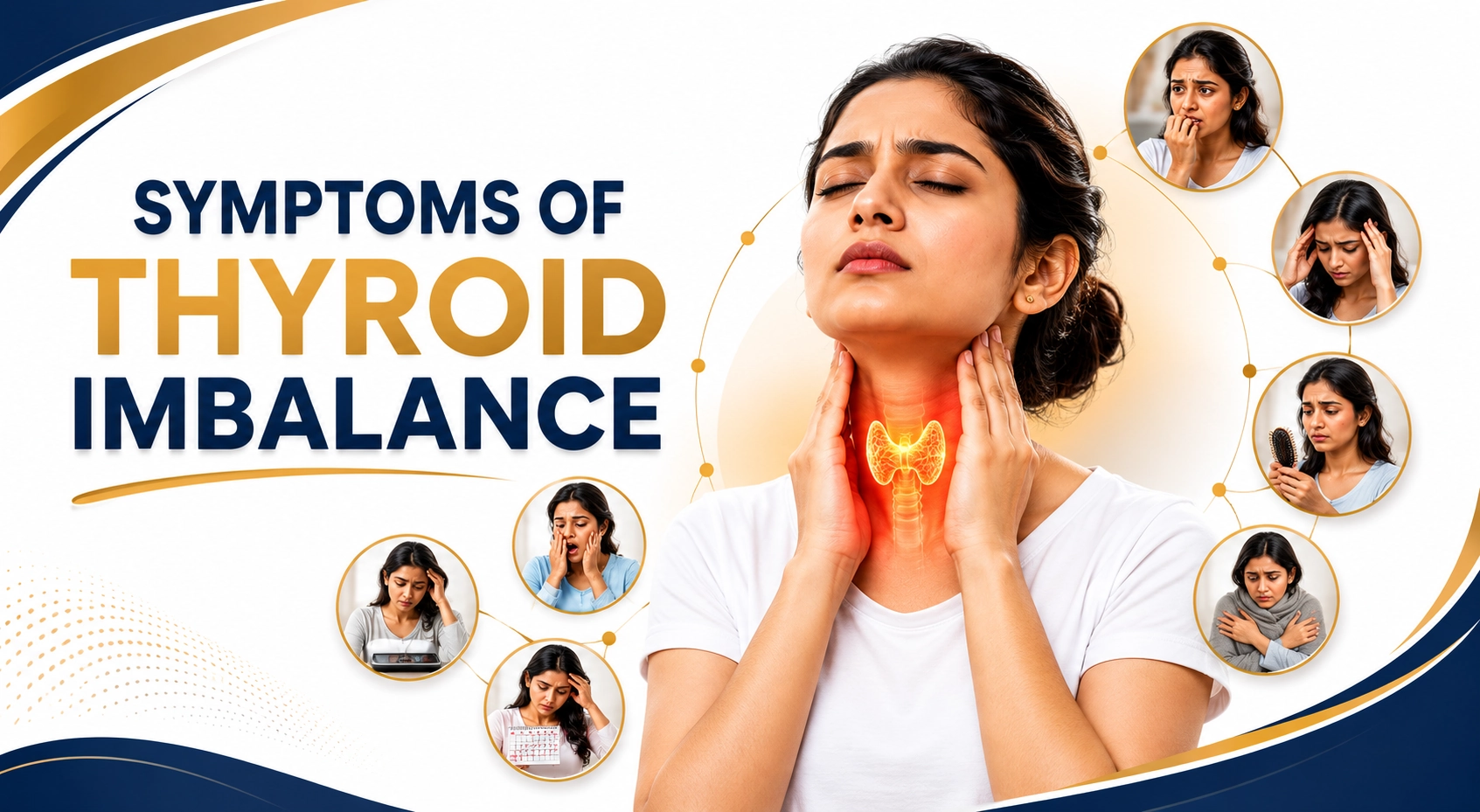
2. Thyroid Function Test (TSH)
Thyroid disorders can mimic PCOS symptoms.
Important to rule out thyroid issues
3. Blood Sugar Tests
- Fasting Blood Sugar
- HbA1c
Detects insulin resistance, common in PCOS
4. Lipid Profile (Cholesterol Test)
PCOS can increase risk of high cholesterol.
Helps assess heart health risks
5. Ultrasound (Pelvic Scan)
A pelvic ultrasound helps:
- Detect ovarian cysts
- Evaluate ovary size
One of the most important tests for PCOS diagnosis
6. Insulin Levels Test
High insulin levels are common in PCOS.
Helps identify metabolic issues
⚠️ Symptoms That Indicate You Need PCOS Testing
You should consider testing if you have:
- Irregular or missed periods
- Excess hair growth (face/body)
- Acne or oily skin
- Weight gain
- Difficulty conceiving
These are common warning signs of PCOS
How is PCOS Diagnosed?
Doctors usually diagnose PCOS based on:
- Symptoms
- Blood test results
- Ultrasound findings
Diagnosis is made using a combination of tests and clinical evaluation
Key Takeaways
- PCOS is a common hormonal disorder in women
- Early diagnosis helps prevent complications
- Hormonal tests and ultrasound are essential
- Lifestyle management plays a key role
Don’t ignore symptoms—get tested early
Conclusion
PCOS is a manageable condition when detected early. Understanding the right tests and getting timely diagnosis can help you take control of your health and prevent long-term complications.
Prioritize your hormonal health—early testing makes a difference
FAQ Section
1. Which test confirms PCOS?
There is no single test. PCOS is diagnosed using a combination of blood tests and ultrasound.
2. Can PCOS be detected through blood tests?
Yes. Hormonal tests help identify imbalance associated with PCOS.
3. Is ultrasound necessary for PCOS diagnosis?
Yes. It helps detect ovarian cysts and structure.
4. Can PCOS be cured?
PCOS cannot be completely cured but can be effectively managed with lifestyle and treatment.
5. When should I get tested for PCOS?
If you have symptoms like irregular periods, acne, or weight gain, consult a doctor and get tested.